
How to Start a Mindfulness Practice When Life Feels Chaotic
Ask A Therapist | Building Bridges Psychotherapy
It’s already mid-February! Whether 2026 so far has been full, heavy, exciting, or simply busy, we hope you’ve been able to find small pockets of calm and moments of joy along the way.
If you’ve been feeling overwhelmed, stretched thin, or unsure how to slow down, you’re not alone. One of the most common questions we hear in therapy is how to practice mindfulness when life feels chaotic.
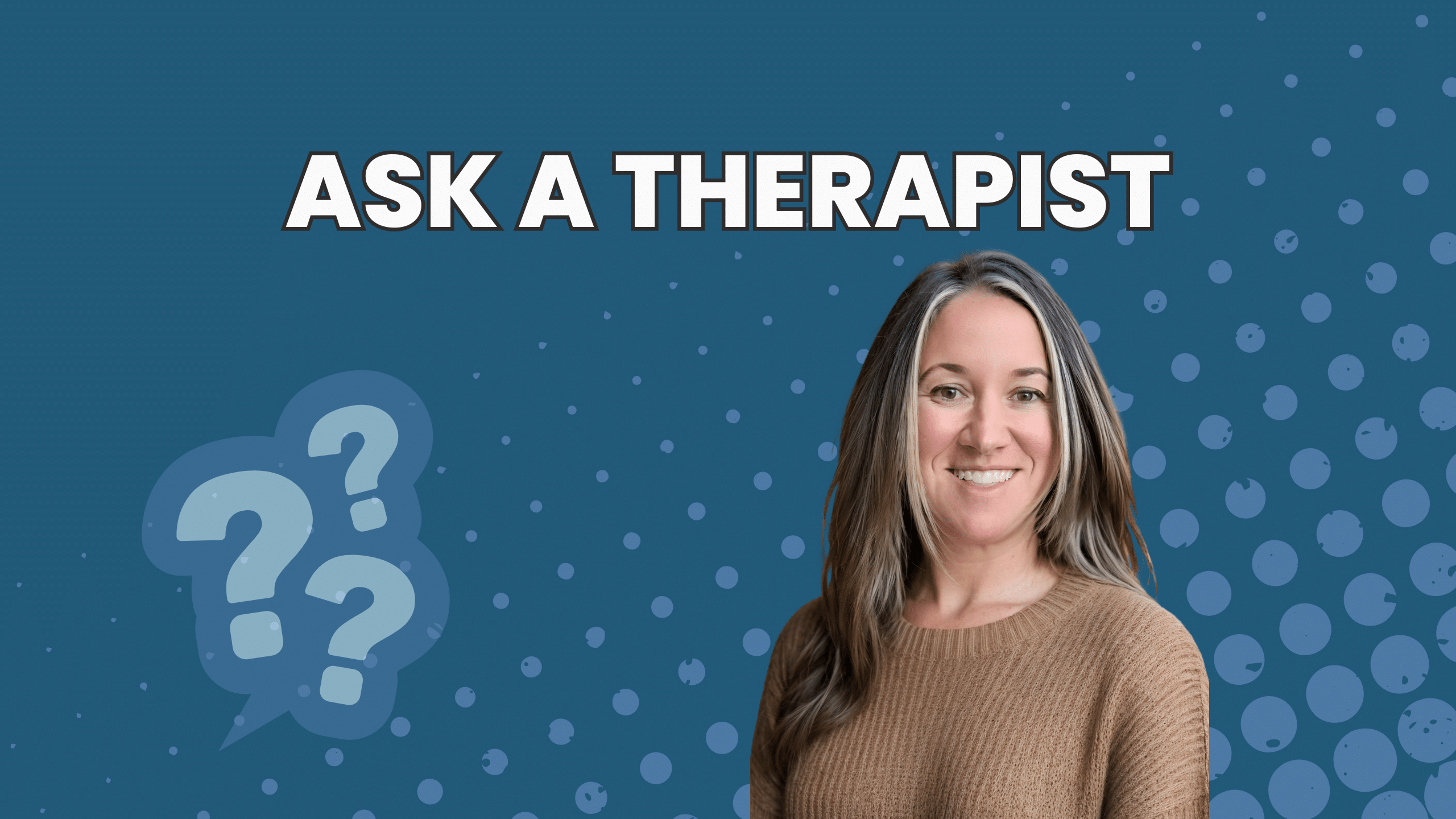
It felt like the perfect time to share Ask A Therapist, a segment you may already know from our social posts and podcast, where we sit down with one of our therapists and bring forward your questions, always anonymously, of course.
These are the questions you’ve been carrying, wondering about, or wishing you could ask out loud.
While these conversations usually live in a video format, we’re bringing it to you in written form today. We sat down with Geraldine Sweeney, MA, MAT, RP, to explore something that feels especially fitting for the times we’re living in: mindfulness, overwhelm, and emotional regulation.

Q: My life feels too chaotic to attempt being mindful… Where do I start?
A: In my experience, the best place to start a mindfulness practice is simply by noticing and paying attention. Just noticing that your life feels chaotic is a good start. Because often, we keep powering through.
When we pause and pay attention, we can actually create a seismic shift.
What exactly are we paying attention to?
Mindfulness practice consists of different components. We might be used to self-talk that sounds quite critical:
What’s wrong with me?
Why do I keep doing this?
I wish I could do better.
This is typical of what people’s inner dialogue sounds like on an ongoing basis.
When we learn the language of mindfulness, we begin to speak to ourselves differently. We start to use phrases that encourage observation of our thoughts, rather than critique. We observe our thoughts with kindness and curiosity, rather than judgement.
Learning the language of mindfulness can help quiet the mind and ground us.
We might begin by saying:
I’m noticing a feeling of overwhelm right now
or
That’s interesting, there is a lot of chatter happening in my mind
The language of mindfulness actually helps regulate us, it’s quite powerful.
We can apply this language in our relationships too, when things are heated for example, it helps to diffuse the tension when we are able to name our emotions out loud. We can say:
I’m feeling angry right now, I need time to calm down.
This way, we model self regulation for ourselves and our loved ones, and prevent things escalating. This is one of the kindest things we can do for ourselves and our loved ones.
There are lots of great mindfulness books to help people get started. I’d recommend How to Diffuse Difficult Emotions by Shinzen Young and The Art of Living by Thích Nhất Hạnh.
For me, bringing a mindfulness approach into my therapy sessions models a compassionate, non-judgemental approach to my clients. It’s very calming and freeing.
Mindfulness, Therapy, and Support
If you’re feeling overwhelmed, anxious, or stuck in constant self-criticism, therapy can help you build a mindfulness practice that supports emotional regulation and self-compassion.
BOOK WITH GERALDINE
SUBSCRIBE TO THE PODCAST
We hope you enjoyed. Have a beautiful week ahead.
Have more questions for our therapists? Submit them here: [email protected]
We always ensure they are asked anonymously on the podcast.
Sincerely,
The Building Bridges Psychotherapy team