Privacy Policy | Website Proudly Developed By Orthoplex Solutions

Hours of Operation
Therapists: Mon-Sun 8am-11pmAdmin: Mon-Fri 9am-5pm
Melissa Major, M.A.
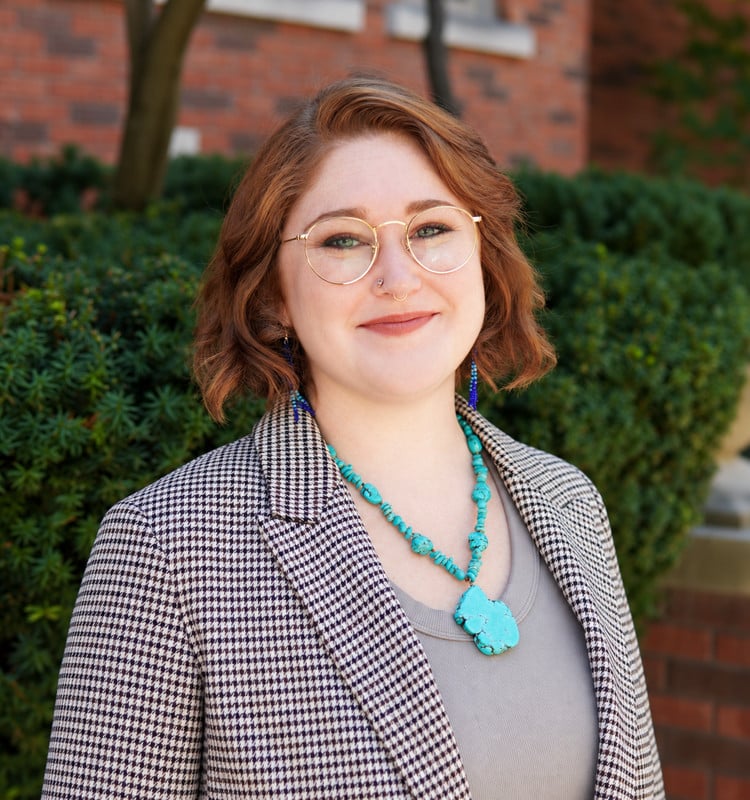
Locations: Ottawa and Phone/Video
Disciplines: Individual Therapy
Languages: English
Top Specialties: Neurodevelopmental Disabilities (e.g., ADHD, ASD, LD, Giftedness, ID), Complex Presentations (e.g., CPTSD, Chronic Illness, Gender Dysphoria, Poverty & ASD), Racial/Colonial Trauma, Anxiety and Depression, Body Image, Sex/Gendered Trauma, and IPV
Education
- Doctor of Philosophy in Clinical Developmental Psychology (Candidate), York University
- Master’s in Clinical Developmental Psychology, York University
- Honours Bachelor in Psychology, Bishop’s University
- Bachelor in Fine Arts with Independent Study, Bishop’s University
License and Memberships
- College of Psychologists and Behaviour Analysts of Ontario (CPBAO): Psychologist Trainee
- Canadian Psychological Association, Member
- Ontario Psychological Association, Member
- Society for Prevention Research, Member
- Clinical Supervisor: Dr. Natalie Michel, MA, PhD, C.Psych
Additional Certifications and Trainings
- Therapeutic Relationship in Trauma Work: Attachment-Focused Treatment Strategies Certification, Dr. Robert T. Muller
- An Introduction to Sensorimotor Psychotherapy for Developmental & Relational Injury, Dr. Pat Ogden, Dr. Laia Jorba, Dr. Patrick Weeg, and Liz Long
- “Integrating IFS Techniques for Trauma Resilience”, Richard Schwartz’s work
- Supporting Autistic Adults Workshop Series: Interventions and Supports for Autistic Adults, The Redpath Centre
- Supporting Autistic Adults Workshop Series: Adult Autism Assessment, The Redpath Centre
- Supporting Autistic Adults Workshop Series: An Overview of Autism in Adulthood, The Redpath Centre
- Certificate in Indigenous Cultural Competency and Trauma Informed Training: Spirit Builders, Nokiiwin Tribal Council and Glendon Continuing Education
- Trauma-Focused Cognitive Behavioral Therapy Web 2.0, Medical University of South Carolina
- ASIST Certification, York Catholic District School Board
- IPT-A Training: Interpersonal Therapy for Depressed Adolescents, York Catholic District School Board
- Meditation, Mindfulness, and CBT (Cognitive Behavioral Therapy) Skills Training, York University Psychology Clinic (YUPC), York University
- DBT (Dialectical Behavioral Therapy) Skills Training, Wholistic Care Centre
- CBT (Cognitive Behavioral Therapy) Introductory Training, York University Psychology Clinic (YUPC)
- EFST (Emotion Focused Skills Training) Continuing Education Certificate, York University Psychology Clinic (YUPC)
About Melissa
“You do not have to be good. You do not have to walk on your knees for a hundred miles through the desert, repenting. You only have to let the soft animal of your body love what it loves” – Mary Oliver
I believe everyone is worthy of care, connection, and hope. Whether you live with trauma, disability, strained relationships, or discrimination, I want you to feel safe and at home in your life and body. I provide a space to address challenges that you’ll no longer have to face alone. I’ll walk alongside you at your own pace, offering gentle guidance grounded in science, about the brain, childhood, genetics, attachment, and the silent impacts of discrimination.
I offer trauma-informed, culturally responsive therapy that is rooted in evidence-based approaches, including attachment, CBT, feminist, and anti-oppressive models. Therapy is a collaborative space where your story, culture, relationships, spirituality, and strengths all matter as we build toward the life and healing that feel right for you.
Seeking a therapist can feel vulnerable, and you don’t have to know exactly what you need before reaching out. I’m always happy to connect, whether I support you in a 15-minute consultation to find someone who feels like the right fit, or we end up working together long-term. You deserve a therapeutic relationship where you feel safe, respected, and understood.
Therapy with Melissa
I begin our work by listening to what you want and need from therapy and what brought you to this healing work. Then, I tailor a treatment plan based on your preferred modality (e.g., CBT, Art), pace, focus (e.g., ADHD, trauma), and aspects of your identity you’d like to honour (e.g., culture, beliefs, gender). I review it with you and adjust it based on your feedback!
For example: I created a trauma-treatment plan with a child who was genderfluid, culturally connected, and enjoyed creative arts. Each session included: (1) a mindful opening based on their cultural beliefs (e.g., welcoming ancestors to help us with our healing work); (2) a check-in and celebration of any sharing about today’s gender expression; (3) a relaxation corner with pre-selected toys to help them feel safe when needing a pause; (5) painting a chapter in their an age-adapted art journal which followed a gold-standard trauma treatment protocol; (6) a mindful closing to ground them, thank their ancestors, and establish a positive coping plan for the rest of the day; (7) a check-in at parent pick-up about strategies to support their child that week through that specific step in the treatment process; and (8) a joyful parent-child “see you next time” activity to ease the transition out of therapy and into the rest of their day.
Melissa’s Story
The simple answer is that I love people. I grew up in a small rural community where access to mental healthcare was limited, and I saw people I cared about struggle without the support they deserved. My lived experiences with trauma, neurodivergence, and marginalization showed me how profound it can be to have someone walk beside you as you name and understand what happened to you and tell a hopeful story about your life. I decided to study psychology because I wanted to offer that space to others. I think about this work across generations: I want to help create a world where today’s children inherit more safety, connection, hope, and freedom than generations before them did. I’d love the opportunity to hold that space for you.
About Melissa’s Training and Credentials
I am a senior PhD student in Clinical Developmental Psychology, providing therapy under the supervision of Dr. Orion Neustifter, RP. My research focuses on: (1) the strengths of Indigenous girls’ loving relationships to support their positive development, (2) mothers’ stories of breaking intergenerational cycles for their children through the power of choosing healthy relationships that provide a contrast to early life traumas, and (3) cutting-edge science on Indigenous therapy methods that showed positive treatment outcomes.